
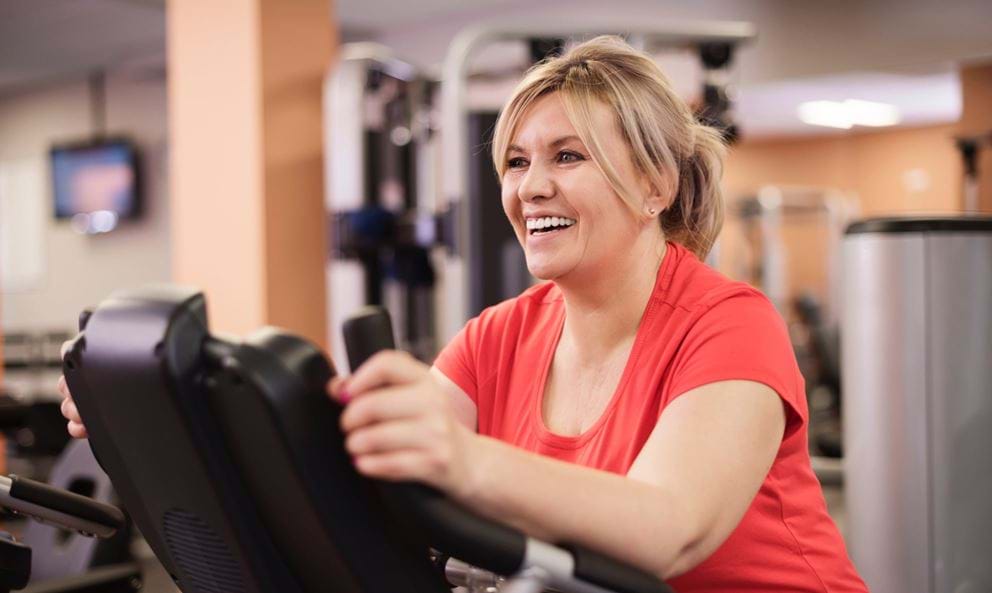
Struggling to find joy in your workouts? You're not alone. Many people experience fitness fatigue, where exercise feels more like a chore than a celebration of what your body can do. The good news is that rediscovering your love for movement is entirely possible. Transform your relationship with fitness from obligation to excitement with these evidence-based strategies that will help you create a sustainable, enjoyable exercise routine that fits your lifestyle and personality.
The foundation of enjoying exercise starts with treating yourself with kindness and realistic expectations. Whether you're returning to fitness after a break or starting fresh, avoid the perfectionist trap that leads to burnout and disappointment. Research shows that self-compassionate exercisers maintain their routines 40% longer than those who use self-criticism as motivation.
Start where you are, not where you think you should be. If you can only manage 10 minutes of movement today, celebrate that victory. Progress isn't always linear, and every small step counts toward building a sustainable fitness habit. Remember, the goal is to create a positive relationship with movement that lasts a lifetime, not to achieve perfection overnight.
Structure is the secret weapon of successful exercisers, but it must align with your real life, not an idealized version of it. Studies indicate that people who schedule specific workout times are 91% more likely to follow through compared to those who exercise "when they feel like it."
Analyze your weekly schedule honestly. Are you a morning person or do you have more energy in the evening? Do you prefer shorter, frequent sessions or longer weekend workouts? Build your routine around your natural rhythms and existing commitments. For example, if you know Mondays are hectic, don't schedule your most challenging workout then. Instead, plan a gentle yoga session or a brisk walk. Consistency trumps intensity every time.
Transform your motivation by setting goals that inspire rather than intimidate. While outcome goals (like losing 20 pounds) can provide direction, process goals (like walking 30 minutes daily) create sustainable habits and immediate satisfaction. Research demonstrates that people who focus on process goals experience 60% less exercise-related stress and maintain their routines longer.
Examples of empowering process goals include: mastering proper squat form, completing three strength training sessions weekly, or trying a new fitness class monthly. These goals put you in control and provide regular opportunities for celebration, making exercise feel rewarding rather than punishing.
The fitness industry often promotes a one-size-fits-all approach, but the truth is that different people thrive with different types of movement. Some people love the meditative rhythm of running, while others crave the social energy of group fitness classes. Some prefer the measurable progress of weightlifting, while others find joy in the creative expression of dance.
Experiment with various activities to discover what resonates with your personality and preferences. Consider factors like: Do you prefer indoor or outdoor activities? Do you thrive in group settings or prefer solo workouts? Do you enjoy competitive elements or prefer non-competitive movement? Are you motivated by music, nature, or personal challenges? The key is finding activities that don't feel like exercise because you genuinely enjoy doing them.
Exercise becomes exponentially more enjoyable when shared with others. Social support increases exercise adherence by up to 95% and makes workouts feel less challenging due to the distraction and encouragement provided by companions. Whether it's a workout buddy, fitness class, or online community, social connections transform exercise from a solitary struggle into a shared adventure.
Consider joining a running club, finding a gym partner, participating in group fitness classes, or even sharing your fitness journey on social media. The accountability, encouragement, and shared experiences create positive associations with exercise that extend far beyond the physical benefits. Plus, you might discover new activities through friends that you never would have tried alone.
One of the fastest ways to kill your love for exercise is to ignore your body's need for rest and recovery. Overtraining leads to fatigue, increased injury risk, and mental burnout that can derail your fitness journey entirely. Smart exercisers understand that rest days aren't lazy days – they're essential components of a well-rounded fitness program.
Learn to distinguish between normal exercise discomfort and your body's signals for rest. Incorporate active recovery activities like gentle yoga, leisurely walks, or stretching sessions. Ensure you're getting adequate sleep, as poor sleep quality can make exercise feel significantly more difficult and less enjoyable. Remember, consistency over intensity is the key to long-term success and enjoyment.
Perhaps the most powerful strategy for enjoying exercise is shifting your perspective from punishment to celebration. Instead of exercising to "burn off" food or "fix" your body, approach movement as a way to honor and appreciate what your body can do. This mindset shift transforms exercise from a negative, shame-based activity into a positive, empowering practice.
Focus on how exercise makes you feel: the energy boost, improved mood, better sleep, increased confidence, and sense of accomplishment. Celebrate non-scale victories like climbing stairs without getting winded, lifting heavier weights, or simply showing up consistently. Remember that every body is different, and your fitness journey is uniquely yours. Avoid comparisons and embrace the process of becoming stronger, healthier, and happier through movement.
Ready to fall in love with fitness again? Start by choosing just one or two strategies from this list to implement over the next two weeks. Small, consistent changes are more sustainable than dramatic overhauls. Remember, the best exercise program is the one you'll actually stick with, so prioritize enjoyment and sustainability over perfection.
Your relationship with exercise should enhance your life, not complicate it. Be patient with yourself as you explore what works best for you, and don't be afraid to adjust your approach as you learn and grow. With time and the right mindset, exercise can become one of the most rewarding and enjoyable parts of your day.
